
What Should You Know Before Ordering Custom Planters?
25th Aug 2026
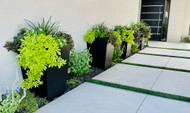
Custom planters can transform an outdoor space by providing structure, greenery, and a polished architectural element that complements the surrounding design. Unlike standard containers, custom planters can be built around the specific dimensions, materials, finishes, and functional requirements of a project.
However, choosing the right custom planter involves more than selecting a shape or color. Before placing an order, it's important to understand the project's space, planting needs, installation requirements, and long-term performance expectations. Outdoor Elements works with homeowners, landscape designers, contractors, and commercial professionals to create planters tailored to individual project requirements.
Determine the Right Size and Shape
The first step in ordering custom planters is determining how much space is available and how the planter will function within it.
Measure the installation area carefully, accounting for walkways, doors, furniture, utilities, and other landscape features. A planter that is too large can interfere with circulation, while one that is too small may fail to provide the visual impact or planting capacity the design requires.
Consider whether the project calls for:
- Long rectangular planters
- Square or geometric containers
- Tall architectural planters
- Low-profile planters
- Large statement pieces
- Multiple planters in coordinated dimensions
Plant selection also influences the required dimensions. Larger trees and shrubs generally need more soil volume and root space than seasonal flowers or ornamental grasses.
Choose Materials for the Environment
Material selection is another major consideration. Custom planters should be designed to withstand the conditions where they will be installed.
Outdoor environments can expose planters to intense sunlight, rain, snow, wind, temperature fluctuations, and moisture. Choosing a material appropriate for the climate can help preserve the planter's appearance and structural integrity.
Aluminum is a popular option for outdoor applications because it is lightweight and naturally resistant to corrosion. Steel can also provide a substantial architectural appearance, particularly when paired with finishes intended for outdoor use.
Ask the manufacturer about:
- Material thickness
- Corrosion resistance
- Protective finishes
- UV resistance
- Expected lifespan
- Recommended maintenance
The right material should balance aesthetics, durability, weight, and project requirements.
Consider the Design and Finish
Custom planters provide an opportunity to coordinate containers with the rest of the landscape.
Think about how the planters will relate to nearby architecture, paving, outdoor kitchens, fire features, seating, and other hardscape elements. Consistent shapes or complementary finishes can help create a more cohesive outdoor environment.
Finish options may include different powder coat colors, edge profiles, dimensions, and other design details. For upscale residential or hospitality projects, luxury planter boxes can serve as architectural features that contribute to the overall character of the space.
Ask whether the manufacturer can provide samples or finish options before committing to a large order. Seeing the material and color in person can make it easier to evaluate how it will interact with the surrounding environment.
Plan for Drainage From the Beginning
Drainage should never be an afterthought when ordering custom planters.
Plants need adequate drainage to prevent excess water from accumulating around their roots. Poor drainage can contribute to root problems and may create unnecessary moisture exposure for the plant.
Before ordering, ask how the drainage system is configured and where water will exit. Depending on the project, drainage may need to connect with an existing irrigation or site drainage system.
Important questions include:
- Where are the drainage outlets located?
- Are drainage fittings included?
- Can the drainage configuration be customized?
- How should excess water be managed?
- Is irrigation compatibility available?
Addressing these details before fabrication can help prevent installation complications later.
Understand Installation Requirements
A custom planter may require different installation considerations than an off-the-shelf container.
Before placing an order, determine where the planter will be positioned and what type of surface it will sit on. A rooftop terrace, concrete patio, landscaped area, or commercial plaza may each present different requirements.
Ask about:
- Product weight
- Delivery access
- Placement requirements
- Leveling options
- Anchoring requirements
- Drainage connections
- On-site assembly, if applicable
Knowing these requirements in advance allows contractors and landscape professionals to prepare the site properly.
Think About Long-Term Maintenance
A custom planter should continue looking and performing well after installation. Consider how much maintenance the chosen material and finish will require over time.
Quality outdoor planters typically need routine cleaning, drainage inspections, and occasional checks for wear. The planting itself will also require appropriate watering, pruning, fertilizing, and soil care.
Ask the manufacturer what cleaning products are recommended and whether the finish requires special care. Understanding maintenance expectations before purchasing helps ensure the planter remains practical as well as attractive.
Evaluate Durability and Weather Resistance
Custom planters are an investment, so long-term performance should be part of the decision.
Consider the climate and exposure of the installation site. Areas with strong UV exposure, freezing temperatures, coastal moisture, or frequent rainfall may require additional attention to material and finish selection.
Ask manufacturers about their construction methods, including welded seams, reinforcement, protective coatings, and other features that contribute to structural durability.
A well-designed planter should be capable of supporting the intended planting while maintaining its appearance through changing seasonal conditions.
Ask About Customization and Lead Times
Because custom products are fabricated to project specifications, production schedules can differ from those of ready-made inventory.
Before ordering, ask the manufacturer:
- What customization options are available?
- What information is needed to begin fabrication?
- Can dimensions be modified?
- What finishes and colors are offered?
- Are custom drainage configurations available?
- What is the current production lead time?
- How are products packaged and shipped?
- Are installation resources available?
Getting clear answers early helps prevent scheduling surprises, particularly when planters are part of a larger landscape construction project.
Work With an Experienced Custom Planter Manufacturer
The ideal custom planter balances aesthetics, functionality, durability, and precise installation requirements. Clarifying these factors before ordering ensures a seamless fabrication and installation process.
Outdoor Elements crafts customizable metal planters tailored to exact dimensions, finishes, and design specifications for residential and commercial spaces. Partnering directly with an experienced manufacturer guarantees a finished product that seamlessly fits your space and performs reliably.
Whether you need a single statement piece or coordinated containers across a larger property, Outdoor Elements transforms your design vision into a lasting architectural feature. By proactively addressing materials, drainage, installation, maintenance, and lead times, you ensure an informed investment that elevates your landscape for years to come.